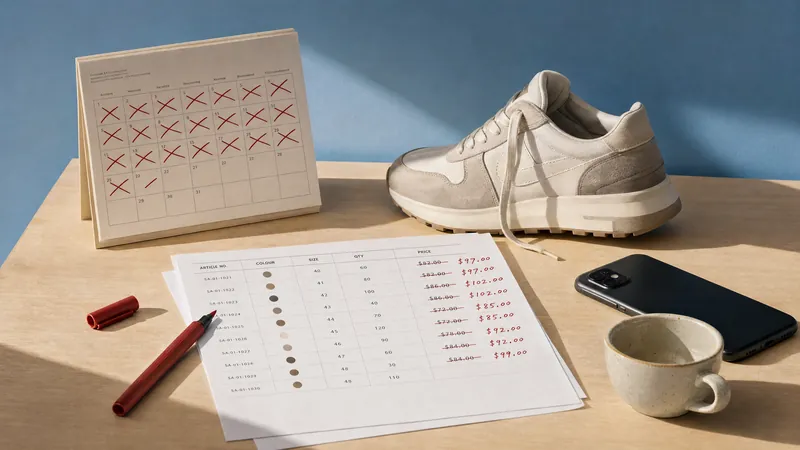
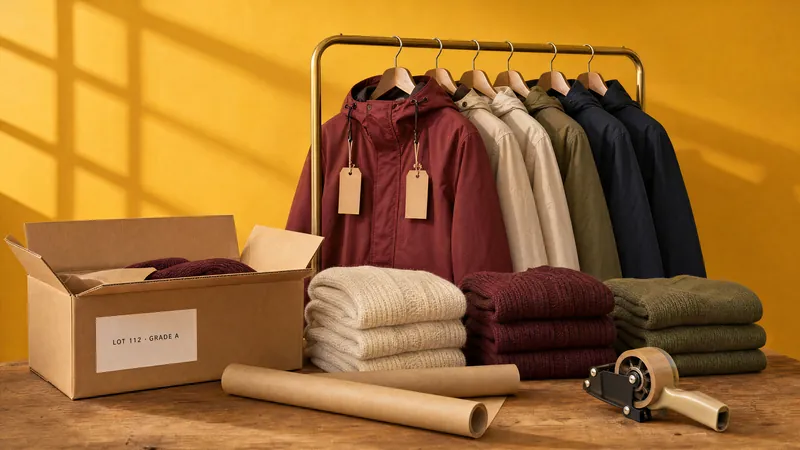
Is there an Alibaba for European branded stock?
Google's own suggestions are full of the question: sites like Alibaba in Europe, Alibaba but for Europe, sites like Alibaba for clothing. For new products made to order there are good answers. For branded stock that already exists, the answer is different, and it says a lot about how this trade works.
Alibaba.com connects buyers with manufacturers and trading companies, mostly in Asia, for goods made to order. AliExpress sells small quantities to consumers and small shops. Neither is built for branded excess stock: one-off lots of finished goods, mostly sitting in Europe, that brands do not want advertised. That stock moves through brands' clearance teams and distributors, wholesalers and stock traders, stocklot listing sites, liquidation auctions, trade fairs and private messaging groups. Whichever route you take, check the seller, have the goods inspected before you pay the balance, and protect the payment.
What Alibaba and AliExpress are built for
Alibaba.com is a business-to-business marketplace where buyers find suppliers, most of them manufacturers and trading companies in China and elsewhere in Asia, and order goods in volume: often made to order, with minimum quantities, custom colours or the buyer's own label. Its Trade Assurance programme refunds the covered part of an order if the supplier misses the agreed shipping date or the agreed quality.
AliExpress, from the same group, works at retail scale: single items or small quantities, shipped to consumers and small businesses.
In Europe, the closest equivalents for new products are wholesale marketplaces such as Ankorstore and Faire, which connect independent shops with brands and their current collections, with small minimum orders.
All of these are built around products that can be made, listed and reordered. That is exactly what branded excess stock is not.
Why branded excess stock does not fit that model
- It is finite. A lot exists once. When it is sold, it is gone, and there is no reorder. The offer on Monday may be half sold by Thursday.
- It is discreet. Brands rarely want discounted stock advertised where their retailers and customers can see it. They sell it quietly, often with conditions on where it may be resold.
- It attracts fakes. Wherever branded goods sell below the usual price, counterfeits follow. Alibaba's own intellectual property rules ban counterfeit listings (rights holders report fakes on its IP protection platform), and open marketplaces police branded products heavily for that reason.
- It is already made, and usually in Europe. The buyer is often somewhere else: the Middle East, Turkey, North Africa. Freight, customs and payment across currencies are part of every deal.
- Every lot is a negotiation. Prices run on a quantity ladder, size runs are uneven, buyers want part of a lot, and the price changes with each choice.
A catalogue built for reorderable products cannot carry that well. A list of lots that change every day, priced by the lot, from sellers who would rather stay unnamed, needs a different kind of marketplace.
Where branded excess stock is actually sold
| Channel | What you find | Watch out for |
|---|---|---|
| Brands' clearance teams and their distributors | Genuine stock, large lots, paperwork in order. | They deal mostly with established buyers and set conditions on resale. |
| Wholesalers and stock traders | A wide range across brands, fast answers. | Paperwork and condition vary; ask where the goods came from. |
| Stocklot listing sites | Many offers in one place. | Anyone can post; checks on sellers and payment protection vary. |
| Liquidation auctions | Retailers' returns and mixed pallets, often cheap. | Condition varies piece by piece; mostly returns, not new branded stock. |
| Trade fairs | Sellers in person, samples on the table. | Seasonal, slow, and a cost to attend. |
| WhatsApp, Telegram and Instagram groups | Where many deals start: fast, direct, informal. | No verification and no protection at all. |
Experienced buyers use several of these at once. The ones who last have one thing in common: they never pay a stranger in full for goods nobody independent has seen. Our buyer's checklist for branded stock lots goes through the checks one by one.
What a marketplace for excess stock has to do
If Alibaba's model does not fit, what would? From our side of the trade, six things:
- Verify both sides: real, registered companies, and proof of where the goods came from.
- Show the stock properly: SKU by SKU, with sizes, quantities and photos of the real goods.
- Keep the seller discreet, and respect the conditions they set on where the goods may go.
- Inspect before money is released, by a third party, against the agreed list.
- Hold the payment so neither side has to go first.
- Handle the border: freight, insurance, customs and the documents that go with them.
How Straiit works
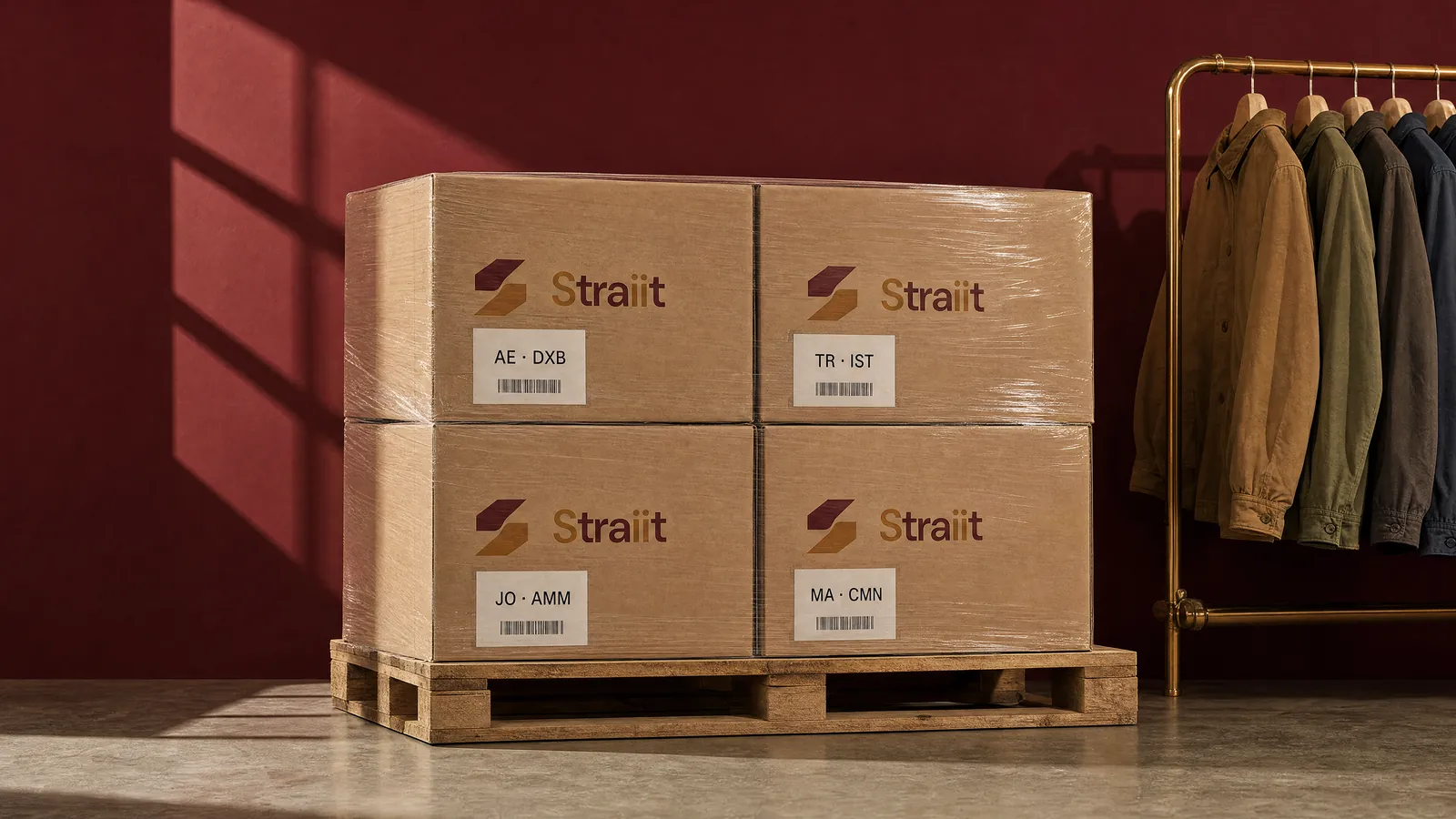
Straiit is a marketplace for branded excess stock, built for exactly that list. Sellers list their stock and set a floor price; buyers post what they need or pick a lot. We verify both sides, take the buyer's payment upfront or into escrow held by a regulated provider, have the goods inspected and keep the paperwork moving. Buyers see the stock, never the seller's name. You deal with one company, and nobody goes first.
Tell us what you are looking for, or list your inventory.
Questions we hear
Is there a European version of Alibaba?
For new products from brands, European wholesale marketplaces such as Ankorstore and Faire connect brands with independent shops. For branded excess stock, there is no single equivalent: buyers combine brands' clearance teams, wholesalers, stocklot sites and specialist marketplaces like Straiit.
Why are branded goods so rare on Alibaba?
Most suppliers on Alibaba.com make products under their own names or their customers' labels. Branded goods in surplus belong to the brand or its distributors, who sell them through their own channels, and the platform bans counterfeit listings.
Where can I buy branded stock lots in Europe?
From brands' clearance teams and their distributors, from wholesalers and stock traders, on stocklot listing sites and through marketplaces built for excess stock. Whichever you use, check the seller and inspect before you pay the balance.
Hasti Ebrahimighosour is the founder and CEO of Straiit. Since 2024 she has brokered branded stock between sellers in Europe and buyers across the Middle East. She built Veritariff, a trade compliance tool for tariffs, rules of origin and customs requirements, and studies law at UCL. More about Straiit